😱 The Chosen Cast in 2025: Where Are They Now? How Has Fame Changed Their Lives 😱

The Chosen Cast in 2025: Where Are They Now? How Has Fame Changed Their Lives
Do you remember the first time you saw “The Chosen”?
Those faces, those voices, the feeling that somehow you weren’t just watching a series—you were stepping into scripture itself.
Yet, behind every miracle on screen lies another kind of story, one that few have ever seen.
What happens to the actors who spend years becoming the apostles, the saints, and the savior himself?
When the cameras stop rolling, do they simply walk away, or does the weight of those holy roles follow them into real life?
For some, the show became a calling.
For others, a quiet burden.
One actor found faith after losing everything.
Another hid from fame to protect his peace.
One woman discovered healing in the same story that once broke her.
Tonight, we go beyond the screen into the hearts and hidden lives of the cast of “The Chosen.”
Because fame can make you shine, but it can also expose every crack beneath the light.
Stay until the end because one story, one moment of truth, will make you see these actors—and maybe even your own faith—in a way you never have before.
Jonathan Roumie
When Jonathan Roumie first appeared as Jesus in “The Chosen,” something extraordinary happened—not just for audiences, but for the man himself.
For most actors, a role is something you play and leave behind.
But Jonathan’s portrayal blurred that line completely.
It wasn’t just a performance; it became an idenтιтy he could never fully step out of.
Before “The Chosen,” Jonathan’s life looked nothing like the man he’d one day portray.
He was struggling to pay rent, taking voiceover gigs, hustling for small roles, and wondering if God had forgotten him.
In one interview, he admitted that on the very day he prayed for a miracle, desperate and broke, he got the call that changed everything.
The irony wasn’t lost on him.
The moment he surrendered was the moment he was chosen.
But being the man who plays Jesus is a strange kind of fame.
Fans line up in tears just to touch him, to ask for blessings, to confess their sins as if he were the real Christ.
It’s both beautiful and crushing.
Because how do you live a normal life when millions see you as something sacred? Roomie himself has said that this constant confusion weighs on him.
He wakes up daily with a strange responsibility—not to the studio, but to the symbol he represents.
When he prays, it’s no longer just personal; it’s preparation.
“If I’m not praying, I’m lost,” he once confessed.
Hollywood doesn’t quite know what to do with him either.
To Christian audiences, he’s a spiritual figure; to casting directors, he’s too religious for mainstream films.
Like Jim Caviezel after “The Pᴀssion of the Christ,” Roomie stands in a rare space admired by millions yet misunderstood by the very industry he works in.
Still, he carries the weight with humility.
When crowds cheer, he bows his head.
When critics mock, he answers with grace.
But there’s a loneliness behind that reverence—the cost of becoming a symbol of faith in a world of cynicism.
In 2025, Roomie’s schedule is relentless: filming, traveling, speaking to mᴀssive crowds, visiting the Vatican, and addressing youth gatherings worldwide.
He’s exhausted but unwavering.
“This was never about acting,” he says quietly.
“It’s a mission, and that’s what makes my story remarkable.”

Shahar Isaac
If Jonathan Roumie embodies the public face of “The Chosen,” then Shahar Isaac is its quiet heartbeat.
As Simon Peter, he is fiery, unpredictable, pᴀssionate—the kind of man who walks on water one moment and sinks the next.
But offscreen, the actor behind Peter has chosen a very different path, one of silence.
In a world obsessed with noise, likes, followers, interviews, and appearances, Shahar Isaac has done something radical.
He’s chosen to disappear.
No red carpets, no constant updates, no polished public persona—just stillness.
Before “The Chosen,” Shahar was a classically trained theater actor, methodical, private, deeply artistic.
Fame wasn’t his dream; storytelling was.
But “The Chosen” changed everything.
Suddenly, his face was known on six continents.
Fans cheered his name, and strangers saw him as a hero of faith.
Yet, Shahar seemed almost allergic to the spotlight.
He rarely gives interviews and avoids social media, except for the occasional pH๏τograph, usually a landscape, a shadow, or a moment of quiet beauty.
His captions are sparse, poetic, and detached from fame.
He’s not selling a brand; he’s preserving a soul.
This silence has sparked endless speculation.
Some say he’s uncomfortable with religious celebrity.
Others think he simply wants to protect his art from becoming performance.
But perhaps the truth is simpler.
Maybe Shahar, like the Peter he portrays, is still learning how to balance faith with fear—how to stay authentic in a world that rewards noise over depth.
When the camera rolls, Shahar transforms.
His Peter is raw and unpredictable, full of contradictions.
The fisherman who argues with God, doubts himself, yet never stops believing.
There’s something intensely human about his portrayal, as if every word carries a heartbeat.
That intensity doesn’t come from technique; it comes from truth.
And yet, once the director calls cut, he retreats into anonymity.
It’s as though he burns brightly for the scene, then vanishes into shadow to recover.
Some who’ve worked with him describe him as gentle and introspective, with eyes that always seem to be watching more than they speak.
His refusal to chase attention has consequences.
Hollywood prefers the loud, the actors who can charm talk shows and light up press tours.
Shahar’s quietness has likely cost him roles and opportunities.
But maybe that’s the cost of integrity.
What makes his story so compelling is how much it mirrors Peter’s.
Both are men caught between courage and hesitation, between stepping forward and pulling back.
Both carry fire inside but often find peace only in silence.
When fans meet Shahar at rare conventions, they describe him as kind but guarded, humble but present.
He listens more than he talks.
And when he smiles, it’s with the weariness of someone who’s seen the beauty and burden of being known.
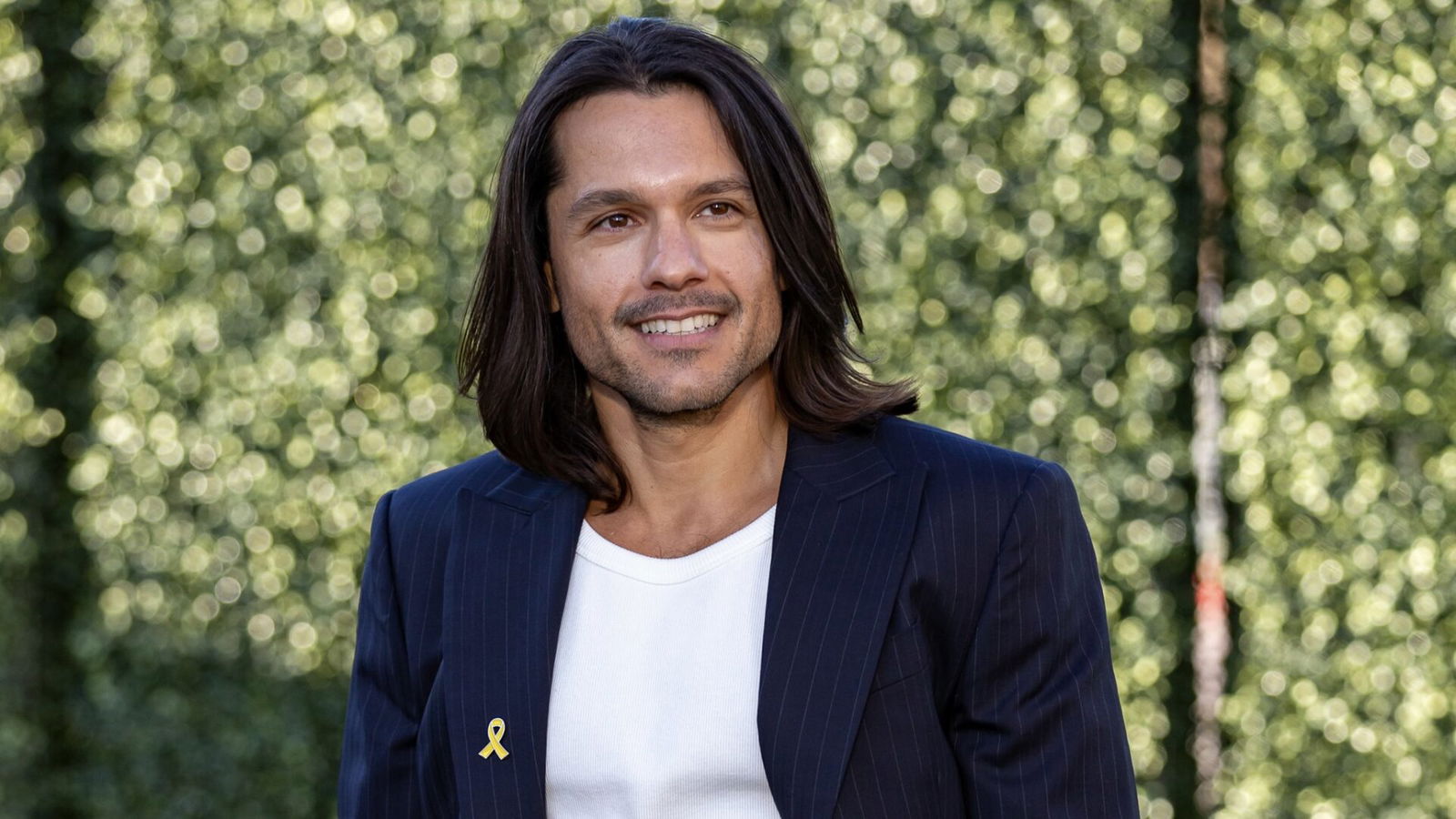
Elizabeth Tabish
When Elizabeth Tabish first appeared on screen as Mary Magdalene in “The Chosen,” audiences were stunned.
The trembling voice, the haunted eyes, the quiet collapse of a woman crushed by inner demons—it felt too real to be fiction.
Viewers around the world said her performance made them weep.
What most didn’t realize was that Elizabeth wasn’t just acting out Mary’s pain; she was reliving her own.
Before “The Chosen,” Elizabeth’s life looked eerily similar to the opening scenes of her character.
She was lost in the shadows of disappointment.
Years of auditions led nowhere.
Rejection became routine.
Bills piled up, confidence disappeared, and depression took over.
By the time she got the call to audition for “The Chosen,” she was on the verge of quitting acting altogether.
“I didn’t think I’d get it,” she later admitted.
“I was ready to walk away, but the role of Mary Magdalene became my lifeline, a turning point that pulled me out of the darkness.”
When Elizabeth performed Mary’s scenes of anguish, she wasn’t reading lines; she was exhaling memories.
Every tear, every faltering breath carried truth.
That’s why her portrayal struck such a deep chord because it came from lived pain transformed into grace.
Fans wrote her letters saying, “You saved my life. You reminded me that God still sees me.”
Yet what they didn’t know was that “The Chosen” was saving her too.
Through Mary, she found healing—not in the absence of struggle, but in the realization that brokenness doesn’t disqualify you from being loved.
As the series grew, so did her visibility.
Airports, church events, interviews—people recognized her everywhere.
But instead of becoming a celebrity, Elizabeth turned her platform into a mission.
She began speaking about mental health and faith, opening up about depression and the illusion of perfection in Hollywood.
Her message was simple but radical: vulnerability is strength.
Even now, in 2025, Elizabeth continues that mission.
Between filming new seasons of “The Chosen,” she paints, writes, and directs small projects—art that reflects the same theme she lives by: beauty rising from brokenness.
She reminds her fans that redemption is not a cinematic ending; it’s a daily process of choosing light over despair.
What makes Elizabeth’s story so profoundly moving is how closely it parallels Mary Magdalene’s own journey.
Both women were misunderstood, both battled darkness, and both were redeemed through love.
When Elizabeth talks about her faith now, there’s no polished sermon, just quiet graтιтude.
“I thought my life was over,” she once said.
“But God gave me Mary, and through her He gave me hope again in a world that prizes perfection.”
Elizabeth Tabish has become a voice for the imperfect, the brokenhearted, the weary, the ones who still believe that grace can find them in the dark.
Her story reminds us that sometimes the role you’re given isn’t just a job; it’s a rescue.

Paris Patel
When Paris Patel stepped into the role of Matthew, audiences didn’t quite know what to expect.
His version of the apostle wasn’t the confident tax collector of old films or the stoic disciple from religious paintings.
This Matthew was different—anxious, socially awkward, meticulous to the point of obsession.
Yet, as the episodes unfolded, something incredible happened.
Millions of viewers fell in love with him.
That wasn’t an accident.
Paris brought something deeply personal to the role—something born out of years of rejection.
As a South Asian actor in Hollywood, he had lived most of his career on the margins.
The industry still chained to stereotypes rarely saw him as more than the tech guy or the comic relief.
He was talented, trained, and pᴀssionate, but the doors stayed shut.
Then came “The Chosen.”
When he first read the script for Matthew—a man ostracized by his own people, misunderstood, and desperate to belong—it felt like reading his own story.
“I knew exactly how that felt,” he later said.
“Being different, being unwanted, and still hoping someone would see you for who you really are.”
That’s why his performance was so raw, so precise.
He wasn’t pretending to be Matthew; he was revealing what it means to be human in a world that misunderstands you.
The response was overwhelming.
Fans from every background wrote to tell him that Matthew helped them see themselves, especially those with autism, social anxiety, or anyone who ever felt like they didn’t fit in.
Many said, “Matthew made me realize God chooses people like me, too.”
For Paris, those words meant everything.
After years of chasing roles that made him invisible, he had finally found one that made him and countless others feel seen.
But success came with a strange twist.
Hollywood’s typecasting didn’t vanish; it just changed shape.
Now, instead of being offered generic background roles, he was offered endless variations of the quirky outsider.
Even his triumph risked becoming another box.
“It’s funny,” he once said, “you fight your whole career to break out of a stereotype, and sometimes success just gives you a new one.”
Still, Paris refused to let “The Chosen” define his limits.
He began working behind the camera, writing, producing, and mentoring others.
He became a voice for authentic representation, urging studios to tell stories where people of color are more than tokens or symbols.
“We don’t need diversity for the sake of optics,” he told one interviewer.
“We need diversity because it tells the truth about humanity.”
Spiritually, “The Chosen” also reshaped him.
Playing a disciple forced him to confront his own questions about purpose and worth.
He’s admitted that while faith was always a quiet part of his life, the show made it deeply personal.
Fans often ᴀssume he’s as devout as Matthew, forgetting he’s still human, still learning, still searching.
“I’m not perfect,” he once said softly.
“But I’m trying to live what the story taught me—that being different is sacred.”
Today, in 2025, Paris Patel continues to play Matthew but also leads conversations about inclusion and empathy in entertainment.
His message isn’t loud; it’s steady.
He reminds people that kindness and belonging aren’t plot lines; they’re lifelines.
Because in the end, his story—like Matthew’s—isn’t about success or fame.
It’s about being chosen, not in spite of your differences, but because of them.
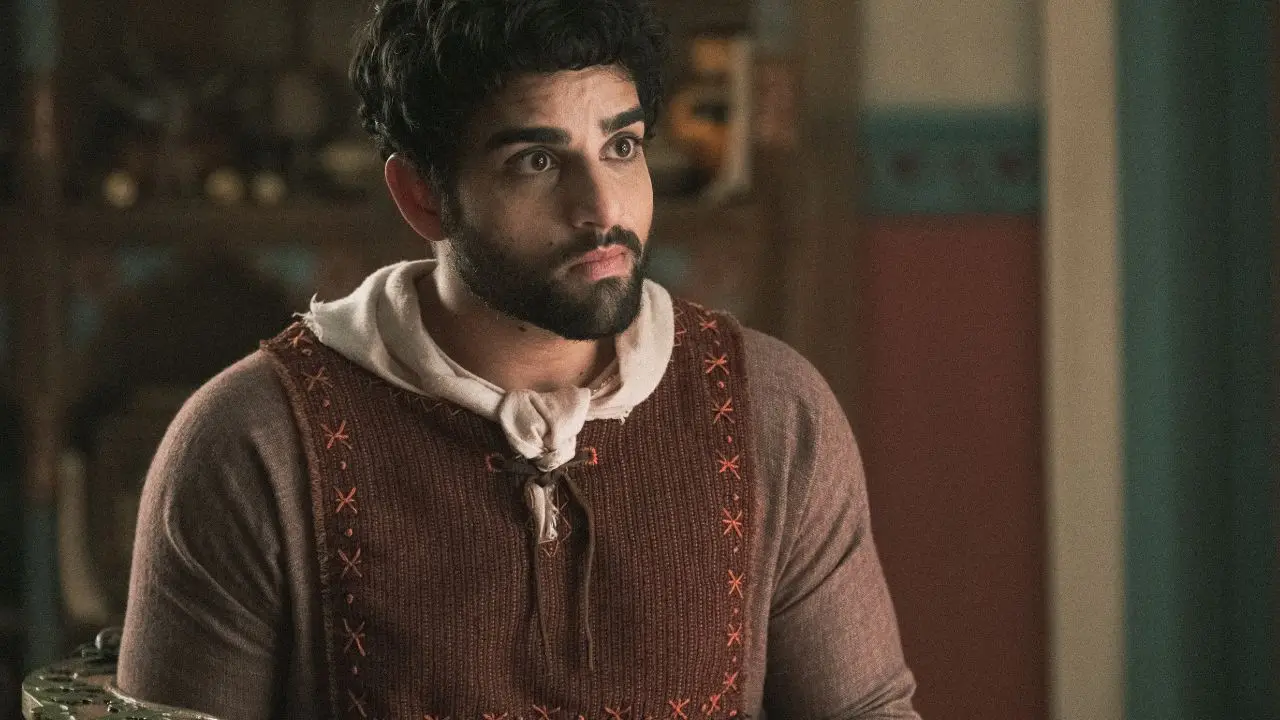
Noah James
In every story, there’s always someone who stands just off to the side of the spotlight, watching, supporting, but rarely seen.
In “The Chosen,” that someone is Andrew.
And in real life, the same might be said for the man who plays him, Noah James.
Andrew is not the dramatic leader like Peter nor the bold questioner like Thomas.
He’s the quiet believer, the one who hesitates, worries, and doubts yet never walks away.
And perhaps that’s why Noah’s portrayal feels so human.
Because like his character, he too knows what it means to live in someone else’s shadow.
Before “The Chosen,” Noah James was one of thousands of talented actors fighting to stay afloat in Hollywood.
He had done small roles in shows like “Shameless” and “Games People Play,” but nothing that truly defined him.
He once joked that his career felt like a long audition with no callback.
Then came the offer to play Andrew, a role that would finally give him purpose—even if not the fame.
But “The Chosen” didn’t make Noah a star.
It did something rarer; it gave him idenтιтy.
He learned that storytelling isn’t always about being the center of attention.
Sometimes it’s about giving life to the ones overlooked.
When Noah plays Andrew, you can see that humility in every scene—his body language, the uncertainty in his eyes, the tension in his voice.
It’s all subtle but powerful.
He represents the quiet faith most of us live with—not the kind that parades, but the kind that keeps walking even when nothing makes sense.
Offscreen, Noah James mirrors that same modesty.
While his co-stars attend major conventions or lead interviews, he often keeps a low profile.
He rarely promotes himself, focusing instead on his craft and on the fans who reach out personally.
In interviews, he comes across as thoughtful, a little shy, and deeply aware of how easily fame can distort purpose.
“Andrew doubts a lot,” he once said.
“And I think that’s honest because doubt isn’t the enemy of faith; it’s the soil it grows in.”
Those words describe more than his character; they describe Noah himself.
His career hasn’t been easy or glamorous, but it’s authentic.
He’s found meaning in art that doesn’t always make headlines.
Between seasons of “The Chosen,” Noah spends time writing music and short stories—small personal expressions that keep his creativity alive.
Hollywood may not chase him, but that doesn’t seem to bother him.
He’s not building a brand; he’s building peace.
And in that way, he’s become a quiet reflection of his on-screen counterpart.
Loyal, faithful, quietly essential.
Fans often say Andrew feels real to them—not because he’s extraordinary, but because he’s ordinary in the most sacred way.
Noah’s performance captures that tension between fear and faith that defines so many of our lives.
In an industry that rewards noise, Noah James has become the disciple of quiet conviction.
He reminds us that strength isn’t always visible.
And that sometimes the truest believers are the ones who walk beside others, not ahead of them.
Because in the story of “The Chosen,” as in life, not everyone is called to lead.
Some are called simply to follow faithfully, to love quietly, serve humbly, and keep believing even when no one is watching.
And that’s exactly what Noah James does.
He may not be the most famous disciple, but his presence reminds us of a truth often forgotten—that faith doesn’t need to be loud to be powerful; it just needs to endure.

Lara Silva
Every great story has a hidden heartbeat—the quiet strength that keeps everything alive while others take the spotlight.
In “The Chosen,” that heartbeat is Eden, Simon Peter’s wife.
And for the actress who brings her to life, Lara Silva, the parallels run far deeper than the script.
Before “The Chosen,” Lara’s Hollywood journey was much like that of countless Latina actresses—a fight against invisibility.
The roles offered to her were often one-dimensional: maids, side characters, or exotic love interests.
“I was tired of being seen as a stereotype,” she once admitted.
“I wanted to play someone who felt real.”
When “The Chosen” came along, Eden’s character didn’t even have much to go on.
The Bible mentions her only briefly.
Yet, the writers gave her depth—a woman of faith, strength, and sacrifice.
Lara knew immediately this was the kind of story she was born to tell.
But portraying Eden wasn’t just an artistic challenge; it was a spiritual one.
She had to embody every woman who’s ever loved someone called to something greater—every wife, mother, or sister who stands in the background while others change the world.
It’s a role built on quiet heroism, and Lara carried it with grace.
Fans quickly embraced her performance.
They saw themselves in Eden’s tears, her endurance, her unwavering loyalty.
In a world that often glorifies action over stillness, Lara’s portrayal reminded viewers that sometimes the holiest work happens behind closed doors—in patience, prayer, and unseen devotion.
Offscreen, Lara became a voice for those very same women.
She began speaking about representation, faith, and the power of telling women’s stories that scripture often leaves untold.
“Eden might not be famous in the Bible,” she said, “but her faith built the foundation for Peter’s calling.”
Still, her rise wasn’t without criticism.
Some traditional viewers questioned the expansion of Eden’s role, arguing that it added what wasn’t in the Bible.
Lara took the criticism with calm dignity.
“We’re not rewriting scripture,” she said in an interview.
“We’re honoring the women who were always there, even if history didn’t write their names.”
That quiet confidence has made her an inspiration far beyond the screen.
Churches, women’s groups, and young Latina creatives now look to Lara as a model of courage and humility.
She often says she wants Eden’s story to speak to every woman who’s ever felt unseen.
In 2025, Lara Silva continues filming “The Chosen” while developing her own film projects—ones that uplift stories of compᴀssion, resilience, and faith.
She doesn’t chase celebrity headlines.
Her mission is simpler: to show that greatness often hides in ordinary love and service.
Her journey mirrors Eden so perfectly that it’s almost poetic.
Both women are pillars holding up something larger than themselves, quietly shaping destinies without demanding recognition.
In Lara’s own words, “Eden is the woman history forgot, but God never did.”
That single line sums up not only Eden’s story but the spirit of “The Chosen” itself—that God’s kingdom is often built on those who go unnoticed, the ones who serve faithfully in silence.
When you see Lara’s Eden watching Peter leave for another journey, you can feel her heartbreak—not in weakness, but in surrender.
It’s the same kind of surrender every believer faces—trusting God’s plan when it costs us everything.
And maybe that’s why her performance lingers long after the scene fades.
Because Eden’s story isn’t just ancient history; it’s every woman’s story.
And through Lara Silva, it finally has a voice.
The story of the “The Chosen” cast isn’t about fame; it’s about transformation.
Each actor stepped into their role thinking they were telling a story about faith.
But somewhere along the way, faith began telling their story instead.
Jonathan found his calling in surrender.
Shahar found peace in silence.
Elizabeth found light in her darkness.
Paris found belonging in difference.
Others learned that the truest miracles happen offscreen.
They remind us that being chosen doesn’t mean being perfect; it means being willing.
The journey of these actors mirrors the same truth the series itself reveals—that God works through ordinary people to show extraordinary grace.
So maybe the question isn’t how they changed “The Chosen,” but how “The Chosen” changed them—and us.
Which story touched you most?
The fame, the silence, or the struggle that became faith? Share your thoughts below because their story is still being written.
✓ admin
The Chosen Cast in 2025: Where Are They Now? How Has Fame Changed Their Lives Do you remember the first time you saw “The Chosen”? Those faces,…